
Myth of the Poor Hedge Knight
Q: Were there really 'Hedge Knights?"
What did 'hedge knight' mean?
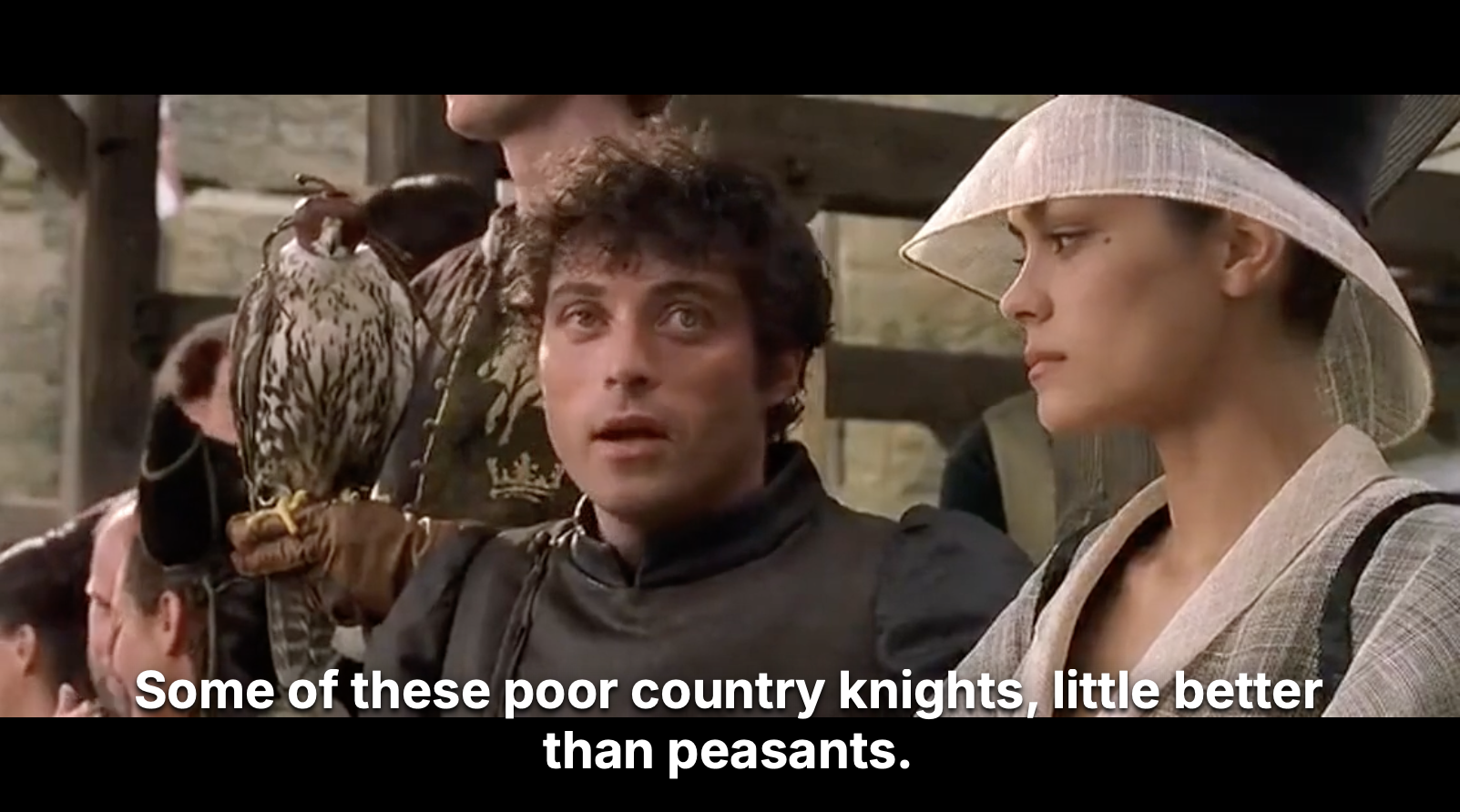
The idea of the knight errant is older than A Knight of the Seven Kingdoms (2026) by George R. R. Martin where the protagonist, Ser Duncan the Tall, or "Dunk" (played by Peter Claffey), is the squire of a poor, wandering knight. He is referred to as a "hedge knight" by Martin, a spin on the knight errant from contemporary medieval fantasy. In A Knight's Tale (2001), Count Adehmar (Rufus Sewell) comments with disdain, "Some of these poor country knights, little better than peasants."
The idea of a hero gallantly wandering the land has always been a popular trope, especially with male audiences. Lee Child's Jack Reacher character has seen blockbuster success on both the big screen (played by Tom Cruise, 2012-2016) and the small screen (played by Alan Ritchson, 2022-present). The hugely successful Amazon series Reacher (Ritchson) is in currently in production for a 5th season. Just like their modern counterparts, medieval gentlemen were captivated by the idea of roaming the land, surviving on their own, dispensing justice, all without any obligations tying them down. However, just like their modern counterparts, it is highly doubtful that any of them gave up their comfortable lifestyles--not to mention their inheritances--to live a nomadic lifestyle.
Could a poor man become a knight?
As discussed in Becoming a Knight, the threshold for becoming a knight in England was £40 per annum since the time of Edward II. It is also important to note, this was passive income (i.e. from rents), not yearly income from full-time employment in a lucrative trade. How much was £40? Well, the yearly rent for a cottage in the fourteenth-century was only 5 shillings. The threshold for being a knight would therefore be the equivalent of collecting rent on at least 160 cottages. There was a term for someone who had the pedigree to become a knight but lacked the £40 income to be knighted--an esquire. Even that was not an automatic title. To be qualified as an esquire required income of at least £20. Even those who were knighted on the battlefield who lacked the financial means to maintain a knightly lifestyle were either granted lands (and thereby passive rental income) or an annual pension. These "upstarts" were looked down upon by knights of pedigree. H.L. Gray, in his article "Incomes from Land in England in 1436" wrote that incomes in excess of £100 per annum were termed “greater knights, actual and potential.” Those with income between £40 and £100 per annum were “lesser knights.” The stratum composed of those with incomes between £20 and £39 per annum were “adequate to maintain the dignity of an esquire.”
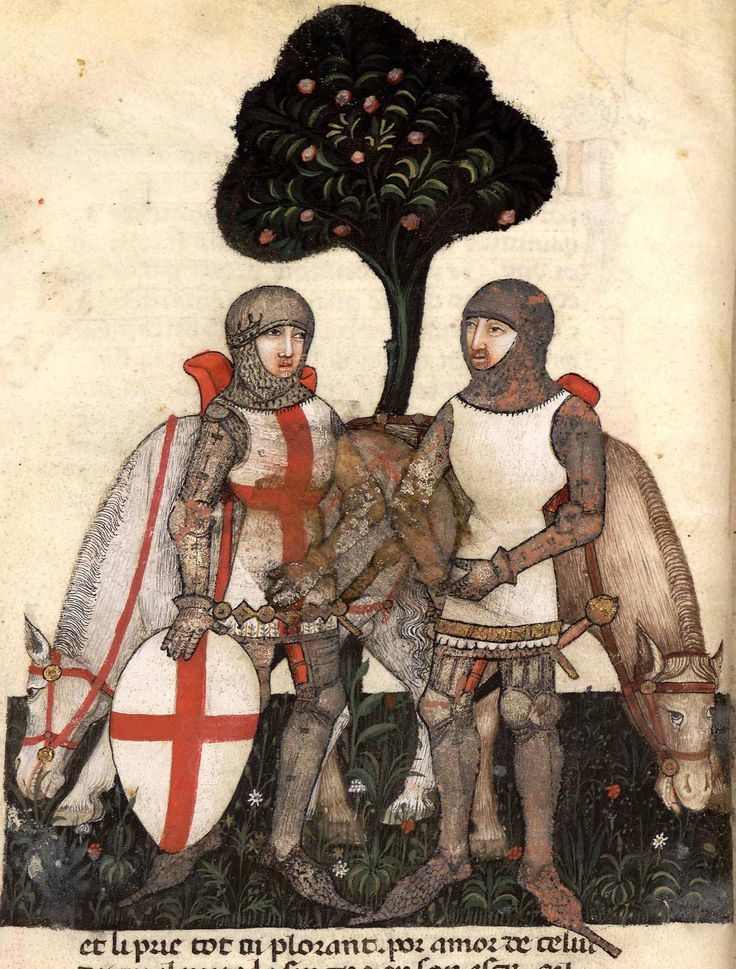
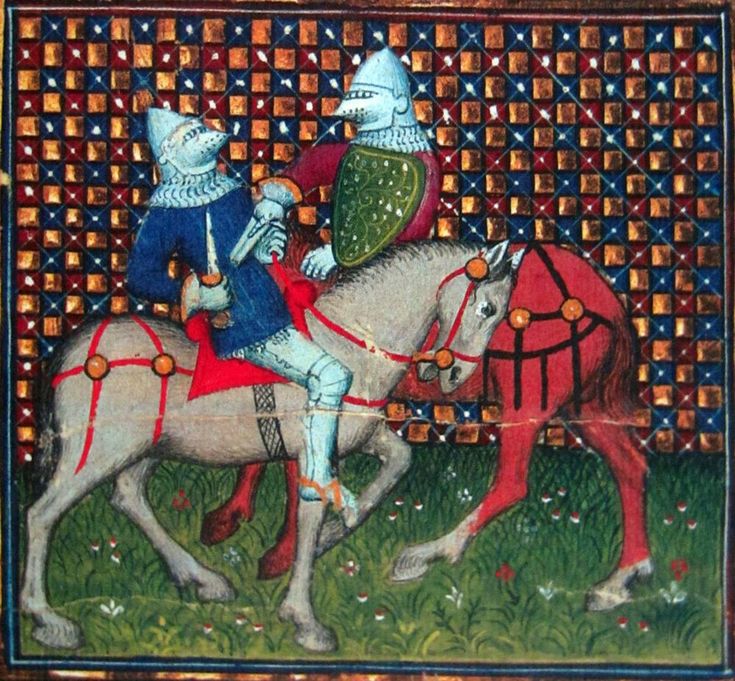
Where did the idea of the poor, wandering knight originate? Even contemporary illustrations in the Arthurian legends show questing knight errants dressed in armour appropriate for a member of the knightly class, certainly not that of a yeoman or peasant. Image 3 below is a late 14th-century depiction of Tristan on the Grail Quest. Image 4 is an illustration from Le Chevalier Errant--the knight errant. It is not until the early 17th-century novel Don Quixote by Miguel de Cervantes do you see the equivalent of a hedge knight that has become so popular in modern culture. The protagonist is a member of 'the lowest nobility' who decides to become a knight and re-introduce the idea of chivarly to his people. He wears old, rusted armour and partakes in series of delusional quests.
In short, the hedge knight is a Hollywood myth that will continue to perpetuate in books and movies and television as it appeals to what modern audiences want to see--the underdog overcoming all odds to become victorious. It also allows modern-day Don Quiotes to justify their decisions to portray a knight forced to live on a yeoman's salary.
[Sources: BNF Français 12559 Le Chevalier errant, || Thomas de Saluces. BNF Français 343 La Queste del Saint Graal || H.L. Gray, “Incomes from Land in England in 1436,” English Historical Review, v.49 (1934), 607-39. Viewable on Oxford Academic.]